


Tribal Justice Project celebrates first year at UC Davis School of Law
On April 12, 2018, the Tribal Justice Project celebrated its official launch at UC Davis School of Law. The Tribal Justice Project is a collaborative effort with California tribal judges, lawyers and leaders that seeks to enhance the capacity and sovereignty of tribes in California by providing culturally appropriate training for tribal judges and court personnel.
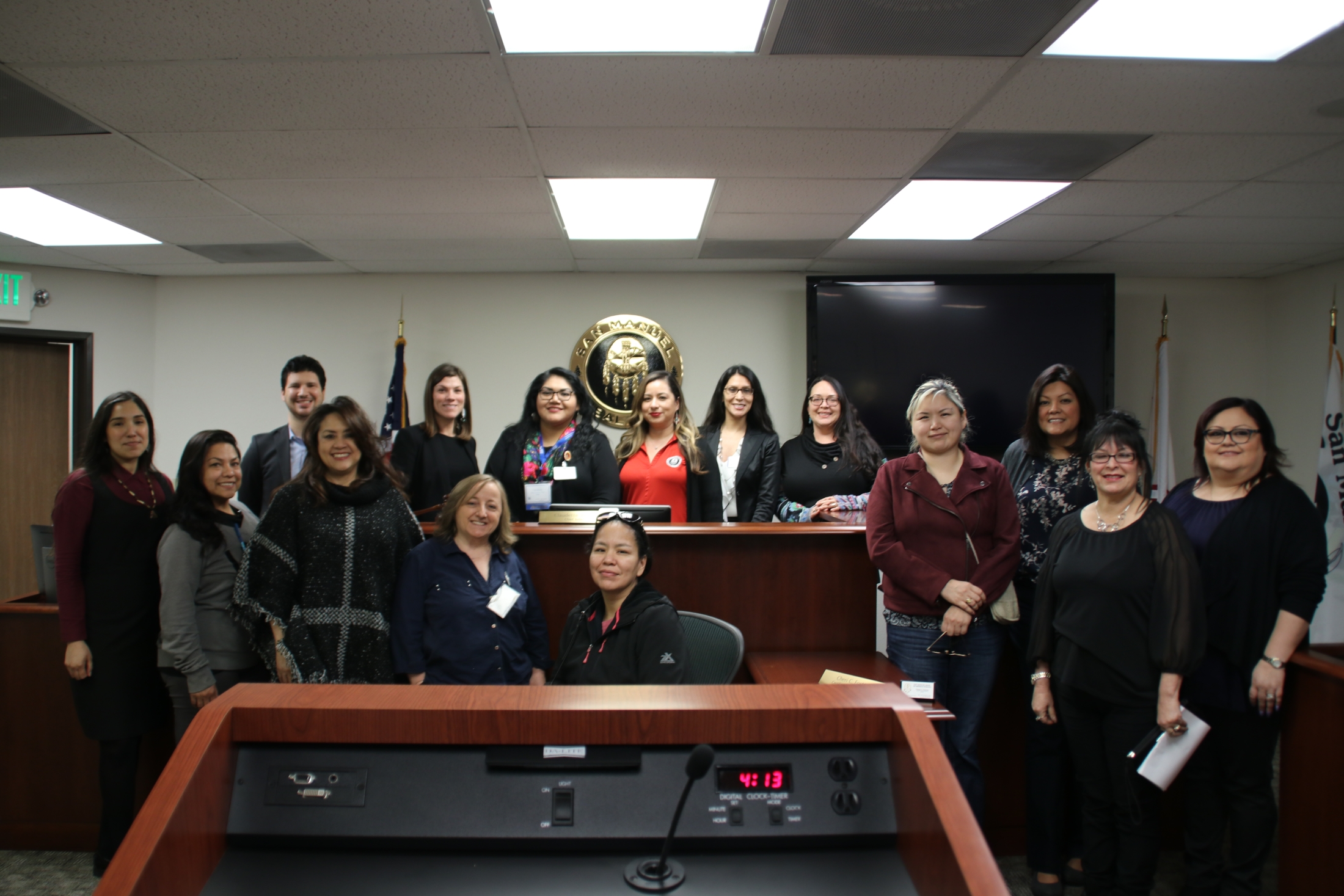
Since its launch, the Project has hosted two trainings for tribal court judges and tribal court personnel - one with the Yurok Tribe of Northern California and one with the San Manuel Band of Mission Indians. At each training - the first in June 2018 and the second in January/February 2019 - Judge Christine Williams (Yurok), chief judge at the Shingle Springs Band of Miwok Indians Tribal Court, and Jennifer Leal (Washoe), the project’s program administrator, provided original training to attendees who represent 33 tribes, focusing on culturally appropriate ways to preside from the bench and to administer tribal courts.
Additionally, in September 2018, the Tribal Justice Project hosted its first symposium, titled “Enhancing Sovereignty through Tribal Courts” (the motto of the project). The symposium drew more than 125 members, making it one of the largest symposia at UC Davis School of Law. Attendees included tribal members, lawyers, academics, and students. Panels addressed a variety of topics, including the enforcement of tribal court orders, incorporation of culture into tribal courts, and Indian children and tribal courts. The highlight of the symposium was the attendance of several tribal court judges from Alaska. They presented a panel on tribal justice from a village perspective.
In October 2018, the Tribal Justice Project gave the presentation “Domestic Violence Protection Orders: A Joint Approach to Justice,” at the National Tribal Judicial and Court Personnel Conference in Albuquerque, N.M. This training was taught from a tribal judge and a tribal court administrator’s points of view on how to make a tribal court order enforceable. Nearly 100 attendees participated in this session.
Most recently, the Tribal Justice Project has begun offering technical assistance to California tribes. In doing so, the project has created opportunities for law students to assist with code drafting, policy revision, and other areas of tribal court development. The project recruited a pre-law Native student to assist with other aspects of one of our technical assistance projects, with the intent of providing this student hands-on experience learning the role of working for a tribe.
Moving forward, the project plans to work with pre-law UC Davis students to establish a pipeline for Native students and other students who wish to pursue careers working in Indian law. The goal is for these students to attend UC Davis Law and continue to provide meaningful work through their profession legal careers.
In addition to student outreach, the Tribal Justice Project has committed to community outreach by participating in local events such as the California Native American Day held at the Capitol in Sacramento, and has taken the initiative to provide a home for the California Tribal Court Judges’ Association.
As the Tribal Justice Project enters its second year, it will host a California Trial Advocacy Training at the law school May 21-23. Tribal attorneys and lay advocates will have the opportunity to participate in a training focused on environmental issues such as illegal camping, illegal growth, and water diversions. The Tribal Justice Project continues its planning process for developing an Intertribal Appellate Court at King Hall, and also continues to plan for future trainings related to tribal court development and tribal court personnel. The Tribal Justice Project had an incredibly successful first year and looks forward to continued success for year 2.